Ah, the age-old question: are shrooms addictive, or are we just looking for another excuse to spice up our Netflix binge sessions?
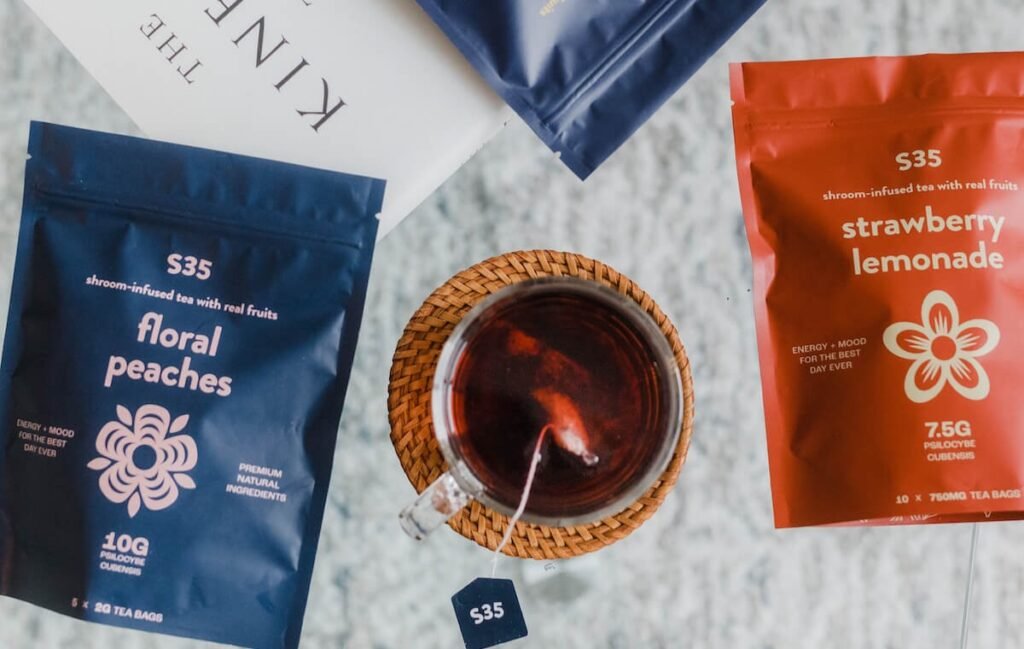
Imagine this: you’re sipping on a mushroom-infused microdose tea, and your friend leans in, whispering, “Hey, do you think these shrooms are going to turn us into fungi fanatics?”
Let’s clear the air—extensive data backs up the claim that shrooms are not addictive. So, spoiler alert: you might want to hold off on building that shroom-proof bunker.
A 2017 survey found that about 42 million Americans aged 12 and up have tried some kind of hallucinogen, with 2.4 million specifically experimenting with psilocybin, the active compound in shrooms that causes a trip.
Keep reading to see how shrooms affect your body system and how to use them properly to avoid tolerance buildup.
Are Shrooms addictive? — Key Takeaways
- Psilocybin in shrooms is not a chemically addictive ingredient.
- However, we advise that you only consume microdoses.
- It is an addiction if you find you can’t get through the day without shrooms, feel down or anxious without them, get irritable and aggressive when you’re shroom-free, or start ditching your friends and family just to get your fix.
- To dodge addiction, try microdosing and stick to the recommended dosage.
- If you’re already in the deep end, consider joining a support group, getting counseling, or seeking therapy to help you out.
In the sections that follow, we will look at how psilocybin mushrooms work in the body, the possibility of addiction, and how to know when to draw the line.
Shrooms with Benefits
The next dimension in mind-body growth. Explore our thoughtfully crafted range; from Gummies and Capsules to Teas and Chocolates, designed to elevate clarity, creativity, and balance.
Shop Now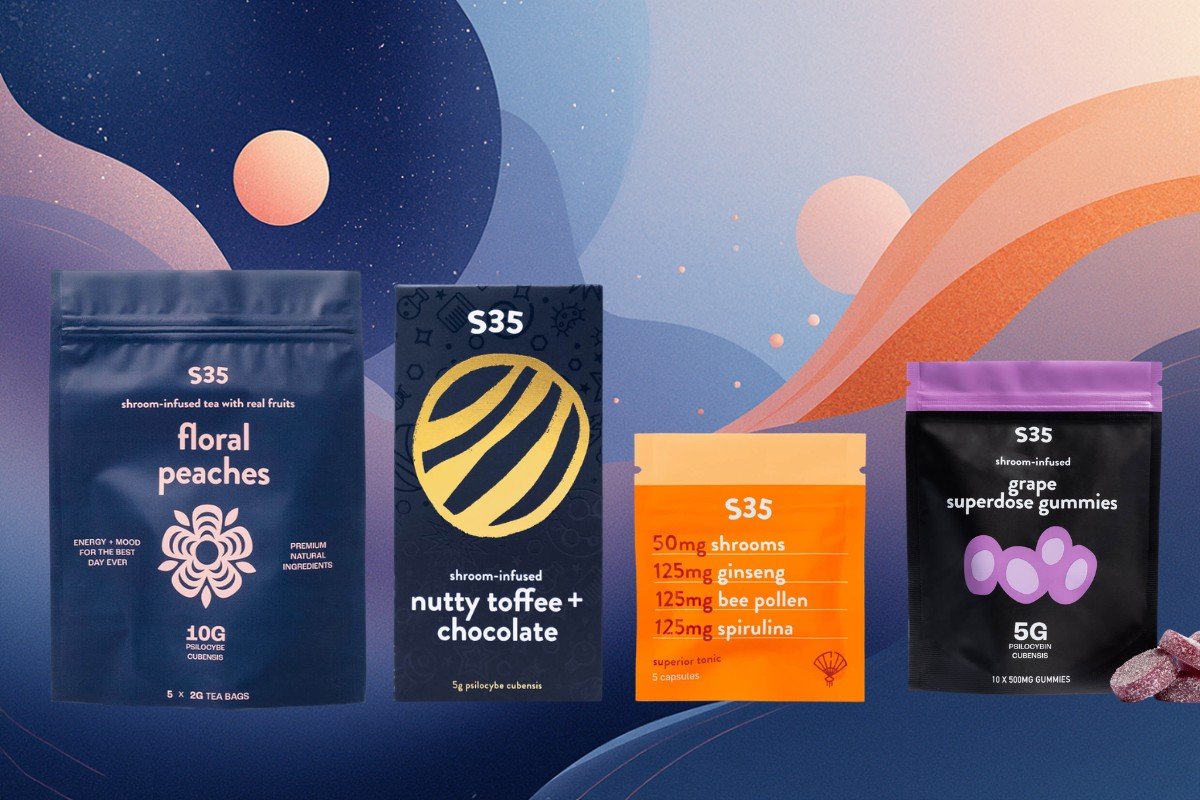
How Do Magic Mushrooms Work in the Body?
Psilocybin, found in magic mushrooms, is converted into psilocin in the body, which influences serotonin in the brain.
How fast the conversion happens depends on various factors, including the method of consumption, such as eating raw, brewing into tea, munching shroom-infused chocolate, or lemon tekking, which will all influence how fast it kicks in.
Activating serotonin receptors in the brain’s prefrontal cortex influences functions such as mood, cognition, and perception.
This then leads to the psychoactive effects of magic mushrooms.
Can You Get Addicted to Shrooms?
Despite not having a physical dependence, psilocybin mushrooms can lead to a psychological dependence.
In other words, psilocybin doesn’t cause physical withdrawal symptoms when you stop using it. But if you’re not careful with your dosage and spacing, you could end up developing a psychological tolerance.
Higher tolerance means you’d need to take larger amounts to get the same effects of psilocybin, eventually making the mushrooms almost useless to you no matter how much you take.
The effect of this buildup is that when someone eventually quits magic mushrooms after a long binge, they could struggle in their mindset to cope with life without consuming mushrooms.
Did you know?
- If you build a tolerance to psilocybin, you might also develop a tolerance to other hallucinogens, like LSD. This is called cross-tolerance.
How You Can Get Addicted to Shrooms
Now, shrooms don’t fall into the same category as those other substances when it comes to addiction. They aren’t physically addictive, which is a big deal. But you can still develop a psychological dependence on them.
Here’s how:
Psychological Dependence
Psychological dependence is when your mind gets hooked on the experience rather than the substance itself.
Think about it: if you find yourself constantly wanting the clarity, the deep thoughts, or the euphoria that shrooms provide, you might be developing a psychological dependence. It’s not about needing the shrooms to function, but more about craving that unique mental state they offer.
For example, let’s say you use shrooms once and have an amazing, mind-opening experience. You feel more connected, insightful, and creative. Naturally, you might want to feel that way again and again.
This can lead to a pattern where you start seeking out shrooms more frequently, chasing that mental high.
Physical Dependence
Here’s the good news: magic mushrooms don’t cause physical dependence. Unlike alcohol or nicotine, you won’t go through physical withdrawal symptoms when you stop using them.
No shakes, no sweats, no intense cravings that make you feel like you’re crawling out of your skin. This is a significant distinction and one reason why shrooms are considered a lot healthier compared to many other substances.
Microdosing vs. Macrodosing
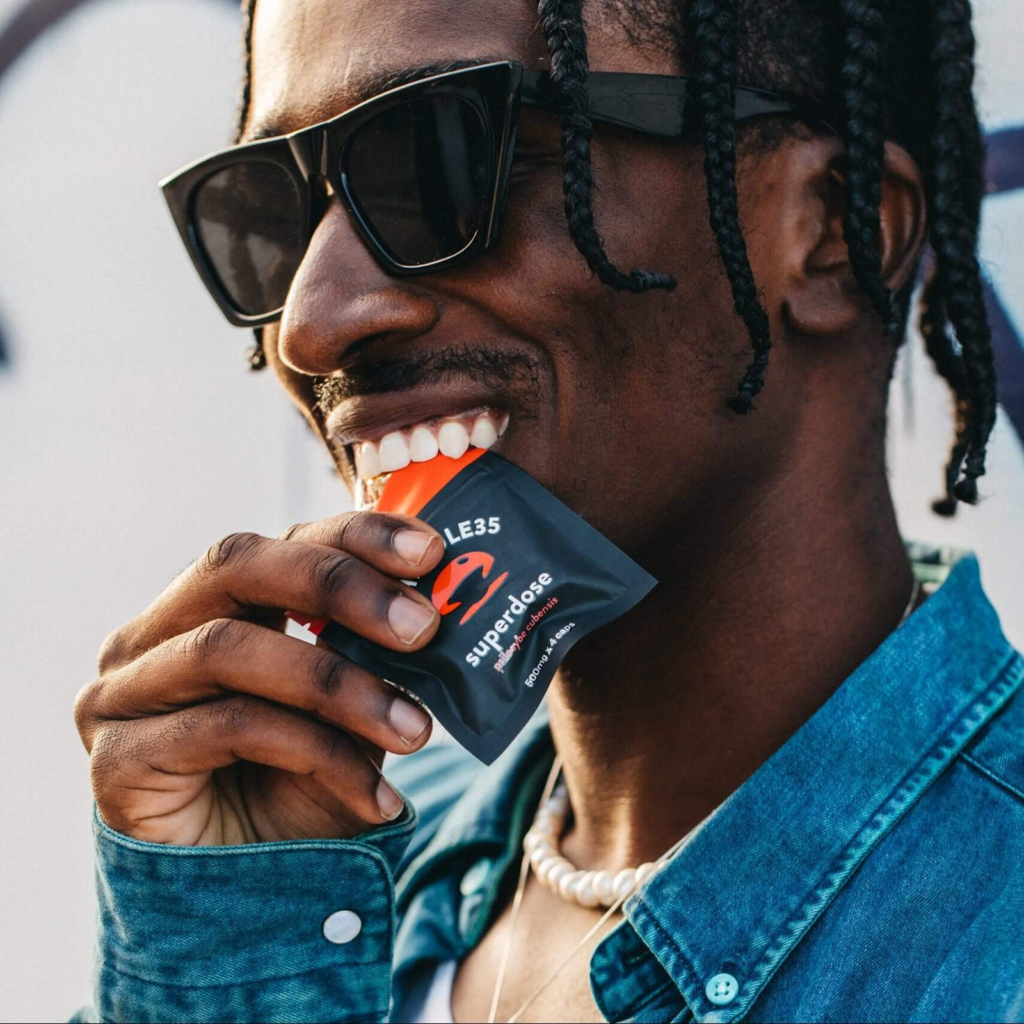
Macrodosing is when you take a full dose of psilocybin mushrooms, leading to wild hallucinations, euphoric highs, and reality-bending experiences.
Microdosing, on the other hand, means taking a fraction of a usual dose—about a tenth or even a twentieth—to boost mood and creativity without diving into a full-blown psychedelic experience.
Both approaches have a high potential for abuse. When you macrodose mushrooms consistently, it is possible to end up relying on heavy consumption just to “feel normal”.
If you’re new to mushrooms, microdosing is a great starting point, but it’s all about getting the dose right.
Experts suggest avoiding microdosing on consecutive days to prevent building up a tolerance. Also, taking it in the morning is best so it doesn’t mess with your sleep. Most people find the benefits last throughout the day.
The right dosage for shrooms to prevent shroom dependence.
When you are microdosing shroom-infused products (100mg to 500mg), you should take the dose for 2-4 days in a row and then take 3 days off.
For stronger doses (2-5 grams), waiting a few weeks between trips is best.
Your tolerance levels, daily activities, method of consumption, set, and setting also play significant roles in the experience.
Here’s an illustration to better explain the ideal method of spacing out your shroom consumption:
| Dosage level | Amount of shroom content | Effect | Timing |
| Microdose | 100mg to 500mg | Improved mood. | Four days on and three days off. |
| Low dose | 500mg to 2 grams | Euphoric state and sensory experiences. | On an as-needed basis, but generally recommended to space out by at least a week |
| Medium dose | 2 to 3 grams | Stronger sensory trip with some visual changes. | Typically, every few weeks |
| Heroic dose | 3 to 5 grams | Visual alterations. | Only when needed. |
Treatment for Shrooms Psychological Dependence
As a reminder, shroom addiction is extremely rare, and you’re likely not to get addicted. But, in the very extreme of cases, here’s what we’ve found to really help.
- Detoxification
Even though shrooms aren’t physically addictive, taking a psychological break can be really helpful.
Think of it as hitting the reset button for your mind. Take some time off from using shrooms, let your brain chill out, and get back to its usual rhythm. It’s about giving yourself space to reflect and find balance.
- Therapy and Counseling
Talking things out with a professional can make a big difference. Counselling can help you explore the reasons behind your shroom use and address any underlying issues.
Cognitive-behavioral therapy (CBT) is super effective for dealing with psychological dependence. It helps you change the way you think and behave, making it easier to maintain control over your use.
Support Groups and Resources
You don’t have to go through this alone. Connecting with others who’ve been there can be incredibly supportive.
Groups like Psychedelic Integration Circles are awesome for sharing experiences and getting advice from people who understand what you’re going through. It’s all about finding your tribe and leaning on each other.
Recommendations: Safe Use Guidelines
Here are some tips to keep your shroom use safe and enjoyable:
- Start Low, Go Slow: Always begin with a small dose. See how your body reacts before taking more. It’s better to ease into it than to dive in headfirst.
- Set and Setting: Make sure you’re in a safe and comfortable environment. Whether you’re at home or in nature, being somewhere you feel secure is key to a good experience.
- Know Your Source: This is crucial. Use reliable suppliers like Schedule35 to ensure you’re getting high-quality shrooms. Knowing what you’re taking reduces the risk of unexpected effects.
Recognizing and Addressing Misuse
Be real with yourself about how often and why you’re using shrooms. If you start noticing signs of misuse, don’t brush it off. Acknowledge it and take steps to address it. Self-awareness is the first step towards enjoying shrooms responsibly.
Seeking Professional Help
If you’re finding it tough to control your use, it’s time to get some professional help. Healthcare professionals can offer personalized advice and support tailored to your situation. They can help you navigate the challenges and find a path to healthier use or even sobriety.
The Bottom Line
Magic mushrooms are not naturally addictive like many other psychedelic substances, but it is possible to get psychologically addicted to shrooms due to wrong usage.
Wrong spacing of consuming magic mushrooms can lead to dependence, and dependence leads to tolerance build-up.
If you’re getting started with magic mushrooms and worried about not being able to monitor how much you take and when you take it, then it’s time to turn to microdosing. Products like shroom bars, teas, and capsules are perfect for this.
At Schedule35, we are proud to be the number-one trusted online source for magic mushroom microdosing products in the U.S. and Canada. Plus, we provide a dosage guide for our products, so you’ll know exactly how much to take to get the effect you want.