If you’ve been trying to find magic mushrooms in the wild but keep coming up empty-handed, don’t worry—you’re probably just looking in the wrong spots.
Take it from me, I used to live on the eastern side of Kilbride in Scotland, right on the edge of Calderglen Country Zoo. There was this grassy patch, up near St Leonards.
Every year, like clockwork, a storm would roll in, dumping buckets of rain. And the week after? Boom! Liberty Cap mushrooms everywhere. I’d spend days picking them. Then, just as suddenly as they appeared, they’d vanish—until the next year, of course.
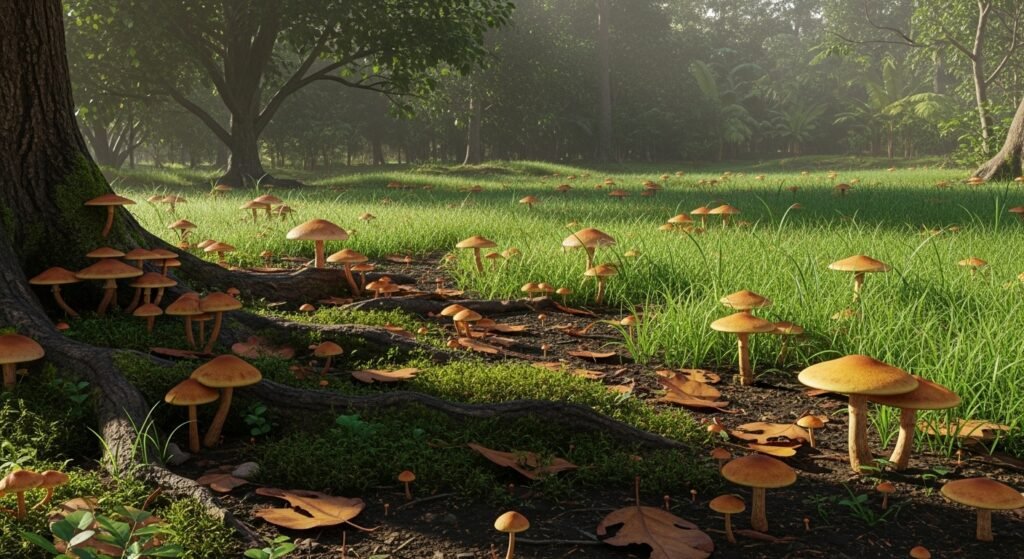
So, where do magic mushrooms actually grow? The short answer: meadows and forests, especially in subtropical and tropical areas where the soil is rich in organic matter. But most species prefer warm, humid forests.
Keep reading, and you’ll learn exactly where to look for magic mushrooms, the best time of year to find different strains, and even how to grow your own at home.
Shrooms with Benefits
The next dimension in mind-body growth. Explore our thoughtfully crafted range; from Gummies and Capsules to Teas and Chocolates, designed to elevate clarity, creativity, and balance.
Shop Now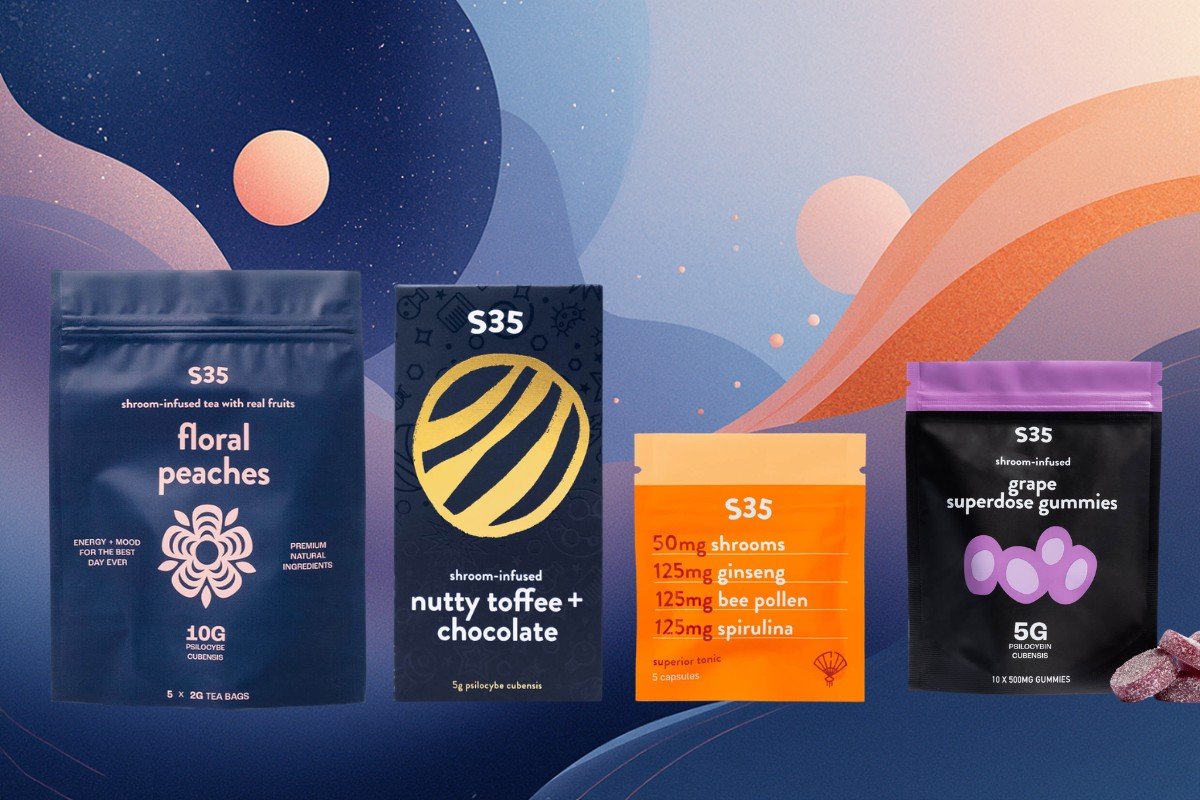
Where To Find Naturally Occurring Magic Mushrooms
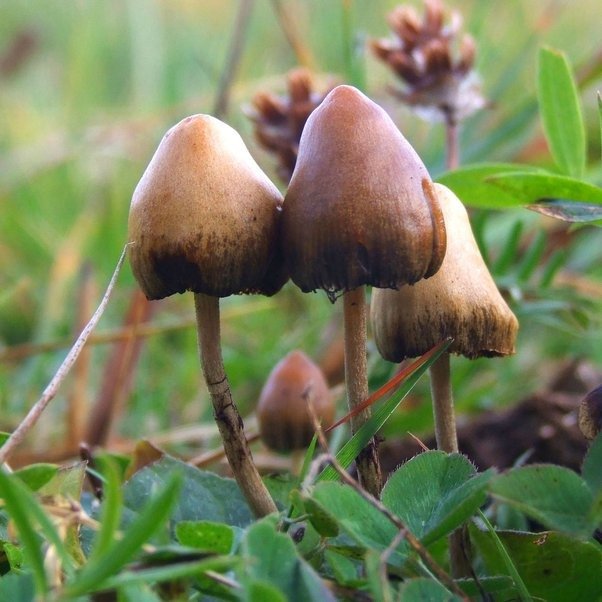
Many of the popular Shroom strains are found in Northern California, Oregon, and Washington.
You can find them in forests, near rivers, and in places with rich organic matter, such as decaying wood or mulch beds.
By the way, if your goal is simply to consume psilocybin mushrooms rather than study them, you can skip the effort of foraging and go for psilocybin-infused edibles from Schedule35.
BEST LOCATIONS IN THE U.S.
These mushrooms are commonly found along the West Coast, particularly in Northern California, Oregon, and Washington.
The rainy climate of the Pacific Northwest makes it an ideal habitat.
They also grow in parts of the Northeast and Midwest, including states like Ohio, Pennsylvania, New York, and Vermont, usually appearing between June and November.
In the South, magic mushrooms grow in forests along the Gulf Coast and in cow pastures in states like Texas, Florida, Tennessee, Mississippi, and North Carolina.
They often thrive in humid environments with high moisture levels.
It’s not the same for other continents. For example, rainforests make up only a small part of Australia.
But shroom plants have been found in Queensland and Tasmania, especially in coastal areas with high humidity.
This psilocybin-containing fungi usually grows to about 2–3 inches tall and often appears in damp, shaded areas.
When to Forage for Magic Mushrooms
The ideal season to look for magic mushrooms is autumn, right after they’ve spent summer gathering nutrients.
This is when they release their spores before winter arrives.
In the Southwest, including New Mexico and Arizona, these mushrooms are harder to find.
However, between July and September, you might come across types like Blue Angels (P. ) and P. in forested areas.
Areas to Check When Foraging Mushrooms in the Wild
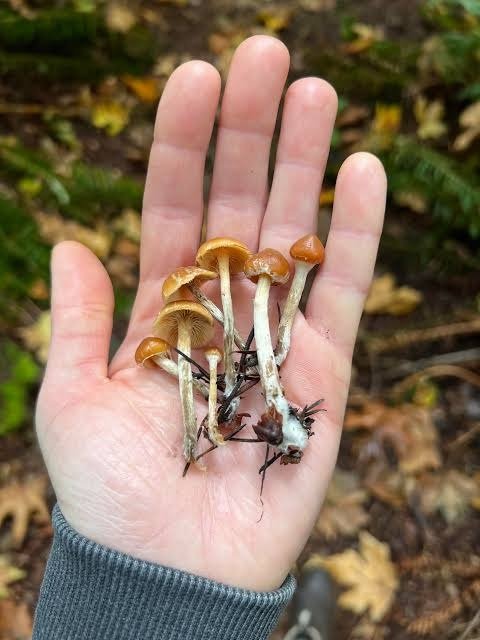
You’d need to be patient and understand different strains’ morphology when looking for psilocybin mushrooms
You can often find them in:
- Forests and wooded areas
- Open fields and grasslands (like in my case)
- Farms and pasture
- Rotting wood and dead plants
- Damp, fertile soil
Always make sure you have permission to explore any area to pick up the plants.
Also, you don’t want to consume a Shroom unless you’re completely sure it’s safe.
Some wild mushrooms are poisonous and can be very dangerous.
That’s why the next important thing we need to consider is how to recognize different magic mushroom strains.
It starts with understanding how they grow.
How Do Magic Mushrooms Grow?
Mushrooms, including psilocybin mushrooms, belong to the fungi family.
Generally, fungi break down dead plants and trees. They thrive on decaying wood, leaves, and other organic materials rich in carbon.
- Other fungi include mold, mildew, and yeast, but here, we’re focusing on mushrooms.
Beneath the mushroom you see above ground is a hidden network called mycelium. This underground system gathers nutrients to help the mushroom grow.
The mushroom’s main job is to release spores—tiny particles that float in the air and spread to new locations, helping more mushrooms grow.
Mycelium works like roots, forming connections with plants and trees.
Instead of stealing nutrients like parasites do, mushrooms trade nutrients with plants in a way that benefits both.
The appearance, growth rate, ripeness indicators, and texture of the magic mushroom will depend on its cultivar.
Identifying Various Magic Mushroom Strains in the Wild
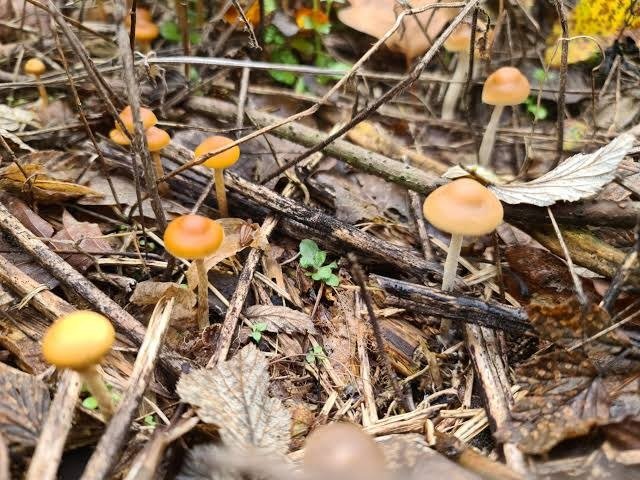
When you want to correctly spot a Shroom, focus on the plant’s key features, such as the cap, stem, color, and underside of the cap.
- CAPS: Generally, magic mushroom caps are either conical, funnel-shaped, or flat, depending on the cultivar.
- STEMS: The step or stipe usually turns blue/purple when touched and will often have a ring.
- COLOR: Most popular magic mushrooms are golden brown (for example, The Golden Teacher Mushroom) with a bluish/purple hue or spots. However, certain strains, such as the Albino Mushroom, are pale white.
Magic Mushroom has over 200 strain varieties. If you’re not experienced in identifying these strains, it would help if you had a picture of the particular one you’re foraging for, so it is easy to identify when you spot it.
In a separate article, I’ve listed and explained the features of various psilocybin mushroom strains, including Wavy Caps, Golden Teacher, Penis Envy, Liberty Caps, Blue Meanie, and many others.
BE CAREFUL OF POISONOUS LOOK-ALIKES
Some toxic or inedible mushrooms look similar to edible mushrooms. Here are a few lookalikes to watch out for:
- Pholiotina rugosa (Common Conecap) – This deadly mushroom is sometimes confused with liberty caps. It is fragile and has a more orange color, especially on the gills and spore print. Fortunately, it is rare and doesn’t grow in large numbers. So, poisonings from this strain are uncommon.
- Inocybe Species – Highly toxic mushrooms that grow under trees. They are larger, more solid, and have a fibrous cap. So they easily look different from the common shrooms..
- Mycena Species (Angel’s Bonnets) – These mushrooms also resemble liberty caps and a few other safer strains. They have white gills and spores. While they are not known to be poisonous, you wouldn’t want to consume them due to uncertain safety.
Can You Grow Magic Mushrooms Indoors
Yes. It is possible to.Grow magic mushrooms indoors as long as you meet the environmental requirements to allow the fungi to thrive.
It’s better to start with a beginner-friendly strain like Golden Teacher.
You’d need to provide warm, humid conditions.
During the colonization phase, keep the temperature between 70 and 75°F (21 and 24°C).
Once they start to fruit, lower the temperature slightly to 65-70°F (18-21°C) for better growth.
And just as you would do when growing any kind of mushroom, you maintain humidity levels at around 90% to help the plant grow properly.
Cultivation Guide for Shrooms
If you’re willing to grow mushrooms at home instead of foraging them, here’s how you do it:
TOOLS NEEDED
First of all, you’ll need the following tools at your disposal:
- Sterile Syringes – Used to inject mushroom spores into the substrate.
- Gloves and Masks – Prevent contamination from hands and breath.
- Jars or Grow Bags – Containers that hold the substrate and allow mushrooms to grow.
- Thermometer and Hygrometer – Measure temperature and humidity levels.
- Spray Bottle – Helps maintain high humidity during growth.
- Grow Tent or Fruiting Chamber – Provides a controlled environment for mushroom growth.
Step 1: Prepare the Growing Material (Substrate)
The substrate is the food source for mushrooms. It must be nutrient-rich and properly prepared to prevent contamination. Common choices include:
- Rye Grain – Nutrient-rich and ideal for starting mushroom growth.
- Brown Rice Flour – Easy to find and great for beginners.
- Vermiculite – Helps retain water, often mixed with brown rice flour.
- Coco Coir – Holds moisture well and resists contamination.
Mix the chosen materials in the right amounts. The substrate must have sufficient moisture for mushrooms to grow.
Step 2: Sterilize the Substrate
This step is crucial to remove bacteria and mold that could ruin your mushrooms.
- Use a Pressure Cooker – Place the substrate inside jars or bags and heat it under pressure to kill unwanted microbes.
- Let It Cool – Before adding mushroom spores, the substrate must return to room temperature.
Step 3: Add Mushroom Spores (Spore Inoculation)
Once the substrate is ready, it’s time to introduce spores so mushrooms can start growing.
- Inject the Spores – Use a sterile syringe to evenly distribute spores into the substrate.
- Use a Clean Space – A still-air box (a simple, sealed container) or a laminar-flow hood (a filtered-air system) can help prevent contamination.
Step 4: Let the Mushrooms Grow (Colonization Stage)
After spores are introduced, the mushrooms begin to spread through the substrate in a process called colonization.
Keep the substrate at around 75–80°F (24–27°C).
It can take several weeks for the mycelium (mushroom roots) to spread fully.
QUICK TIP:
- Don’t Disturb the Jars. Moving them too much can slow down growth.
Step 5: Encourage Mushroom Growth (Fruiting Stage)
Once the substrate is fully colonized, mushrooms need fresh air, light, and cooler temperatures to start growing.
Reduce the temperature to around 70°F (21°C), then keep the humidity at 90–95% using a spray bottle or humidifier.
A fruiting chamber (a ventilated box) or a grow tent helps maintain the perfect environment.
Step 6: Harvesting the Mushrooms
Mushrooms are ready to pick when their caps fully open, but before the veil underneath breaks.
Gently twist and pull when harvesting so that you won’t damage the remaining mycelium, which can produce more mushrooms.
Final Take
It’s not always easy to spot a magic mushroom in the wild when you totally leave it to chance.
Once you know which season to keep your eyes peeled for and where to look, it becomes easier.
If you’re foraging psilocybin mushrooms solely for consumption purposes, you can save yourself the hassle and just buy psilocybin-infused edibles from Schedule35.
This way, you avoid the risks of misidentification while ensuring a safe and controlled experience.